

Grow Guide
Indica vs sativa plants differ in how they grow, not how they make you feel. Indica types are short, bushy and broad-leafed, flower in 7 to 9 weeks and come from dry mountains. Sativa types are tall, lanky and narrow-leafed, flower in 10 to 14 weeks and come from the humid tropics. The effects attached to the labels are folklore.
This is the taxonomy page for the grow guide. It gives the standard answer first, then the version that matters once you have a seed in your hand: how each growth type behaves in a garden, and why the chemical profile matters more than the word on the packet.
What does indica vs sativa actually mean?
To most people, indica means a heavy, relaxing high and sativa means an energetic, cerebral one. To a botanist, the words describe two growth patterns of one species, Cannabis sativa L., shaped by different climates. The first meaning is marketing shorthand. The second is what you can actually see and measure.
The effects story took hold in dispensaries because it is easy to sell. Lab testing does not back it up: THC and terpene profiles across "indica" and "sativa" flower overlap so much that the label predicts almost nothing. Dr. Ethan Russo, a neurologist who has spent decades on cannabis pharmacology, has said the indica and sativa distinction as used in commerce is nonsense because it does not track chemistry. A "sativa" with a lot of myrcene will put you on the couch. An "indica" heavy in limonene and terpinolene will not.
The morphology story is real. Plants from Afghanistan and Pakistan look different from plants from Thailand and Colombia, and those differences are heritable.
The difference between indica and sativa weed in the garden
By the third or fourth week from seed the growth pattern shows. Trait by trait:
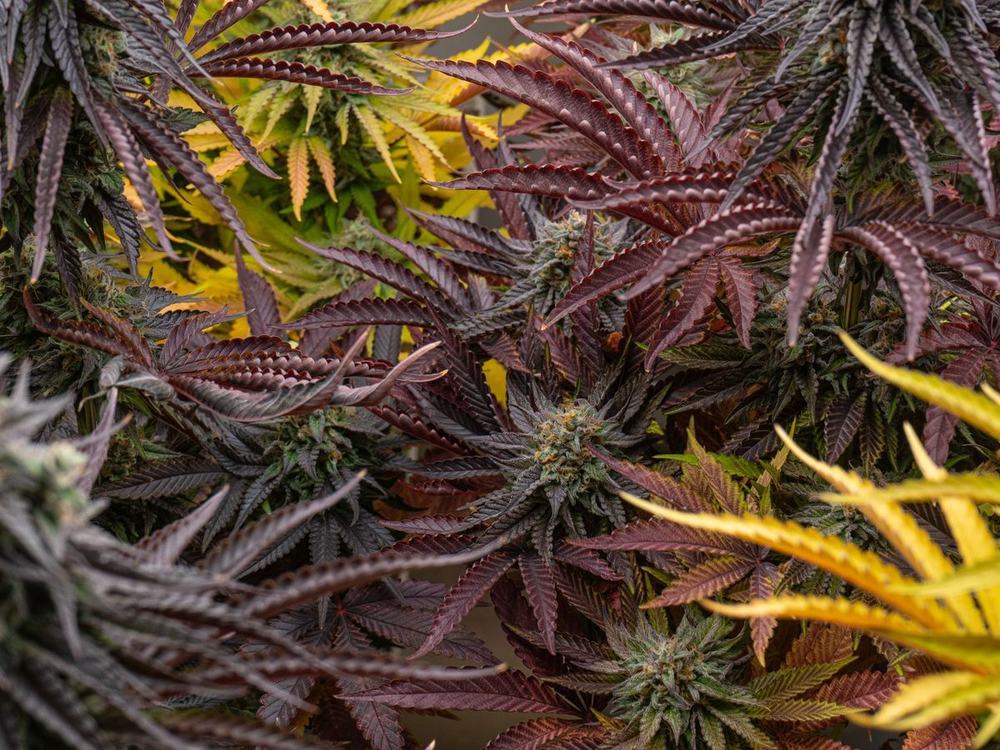
Leaf shape. Indica leaflets are wide, short and dark, often overlapping at the base. Sativa leaflets are long, thin and lighter green, with space between them. Nine to eleven narrow fingers points to sativa heritage; five to seven fat fingers points to indica.
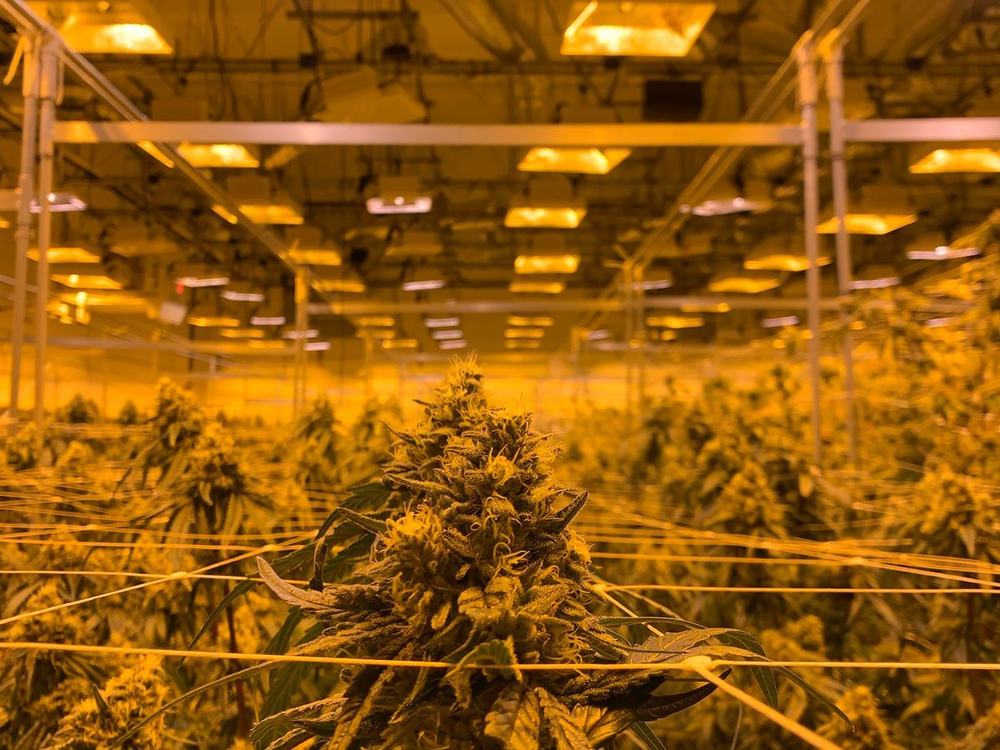
Internode spacing. Indica plants stack nodes an inch or two apart, which is why the buds fuse into dense colas. Sativa plants space nodes three to six inches apart, so buds form as looser spears with air between them.
Height and stretch. After the flip to 12/12, an indica type roughly doubles in height and stops. A sativa type can triple or more, stretching three to four weeks into flower. Indoors, that difference decides whether the plant fits the tent.
Flowering time. Indica types finish in 7 to 9 weeks from the flip. Sativa types need 10 to 14 weeks, and some equatorial landraces run 16 or more. That is a month of extra electricity, water and risk.
Yield. Indica types yield more per square foot indoors because the buds are dense and the plant compact. Sativa types yield more total weight outdoors where they can become trees, but the buds are airier.
Climate origin and mold resistance. Indica types evolved in dry, cold mountain valleys, so they finish before frost, but their tight buds trap moisture and rot in humid weather. Sativa types evolved in wet tropics, so their open buds shed humidity and resist mold, at the price of a long, warm season.
Indica vs sativa growth traits compared
Growth traits of pure indica and pure sativa types, from seed to harvest
| Trait | Indica type | Sativa type | What it means for you |
|---|---|---|---|
| Leaf | Broad, dark, 5 to 7 fingers | Narrow, light, 9 to 11 fingers | First visible clue at 3 to 4 weeks |
| Internodes | 1 to 2 inches | 3 to 6 inches | Dense colas vs airy spears |
| Stretch after flip | About 2x | 3x or more | Tent height budget |
| Flowering time | 7 to 9 weeks | 10 to 14 weeks | Cost and patience |
| Mature height outdoors | 3 to 6 feet | 8 to 15 feet | Fence line and privacy |
| Yield | High per square foot indoors | High total weight outdoors | Match to your space |
| Mold resistance | Low in a humid finish | High | Outdoor climate match |
| Climate origin | Dry mountains (Afghanistan, Pakistan) | Humid tropics (Thailand, Colombia, Africa) | Where it wants to live |
Why chemotype matters more than the label
Chemotype is the plant's chemical fingerprint: which cannabinoids it makes, in what ratio, and which terpenes ride along. Two plants can look identical and test completely differently, and two that look nothing alike can test nearly the same. Chemotype, not leaf shape, determines what the smoke does.
For a predictable effect, read the lab test or the breeder's published profile and ignore the badge. Look at total THC and CBD, then the top three terpenes. Myrcene-dominant flower tends to sedate. Limonene and pinene tend to lift. Caryophyllene shows up everywhere. Those numbers tell you more than any label, which is how the strain library is organized.
Hybrids and what "70/30" actually tells you
Nearly every seed sold today is a hybrid. A tag that reads "70% indica, 30% sativa" is the breeder's rough estimate of ancestry, not a measurement. It usually means the plant grows like an indica (short, fast, dense) with a bit more stretch and a slightly longer flower than a pure Afghan line. Read it as a growth prediction.
Treat the ratio as a planning range: a 70/30 indica-leaning hybrid will probably finish in 8 to 10 weeks and stretch about 2x, so size the tent and calendar for that. When you see 50/50, expect plants from the same pack to vary. Unstabilized hybrids throw phenotypes that lean either way, and you will get both in a ten-pack. Grow several, keep the one you like, and take cuttings.
The mistake most growers make with sativa plants
The mistake is treating a sativa plant like an indica. Growers flip a sativa-leaning plant at the height they would flip an Afghan, then watch it triple and grow into the light. Or they plant one outdoors in a northern climate and lose the crop to frost in October with the buds weeks from done.
In eighteen years of answering Dear Danko letters, "my plant is too tall and still not finished" was one of the most common complaints, and almost every time it was a long-flowering sativa in a short season. Flip sativa types early, at 12 to 18 inches, top them once, and be ready to tie them down. Outdoors, grow them only where the warm season runs into November, and read the outdoor growing chapter before you commit.
Next step: pick a strain, then plan the stages
Choose a plant that fits your space and season. The best strains list sorts by what matters: flowering time, height, mold resistance and chemotype. Then use the stages of growth chapter to map your calendar. Cultivation is for adults where it is legal; check your local law before you germinate.
Sources
- The Cannabis sativa Versus Cannabis indica Debate: An Interview with Ethan Russo, MD (Cannabis and Cannabinoid Research, 2016) (used for the statement that the commercial indica/sativa label does not track chemistry)