


Strains
The High Times Top 10 Strains of the Year was the magazine's annual ranking of the ten best cannabis cultivars, published each year through the 2000s and 2010s. I personally selected the list every year from 2005 to 2018, and this page is the record of how it was made.
The year by year lists are not reproduced here yet. High Times holds the compilation, and until reproduction rights are confirmed this page is a retrospective: what the list was, how strains were picked, how the winners changed across eighteen years, and what that pattern tells a grower choosing seeds today.
What the High Times Top 10 Strains List Was
A Top 10 list was one editor's ranked verdict on the year's best cannabis, drawn from Cannabis Cup entries, breeder submissions, dispensary shelves and grow rooms visited that year. It ran once a year in the magazine, ranked one to ten, with a photo, the breeder, the lineage and a judging note for each strain.
It was not a popularity poll and not a sales chart. Readers argued with it every year, which was part of the point. The list did two jobs: it told growers which genetics were worth a tent that season, and it told breeders where the bar was. A strain on the list got grown. A breeder who made it more than once got a reputation.
How the Top 10 Weed Strains Were Chosen
Strains were chosen from what I had actually smoked and seen grown that year: Cannabis Cup entries in Amsterdam and at the US events, samples breeders sent in, and gardens visited for the magazine. Each was judged on potency, aroma and flavor, appearance, vigor in the garden, and whether it brought something new.
- Potency meant effect, not a number. Lab testing did not exist for most of the run, and when it arrived it became one input, not the verdict.
- Aroma and flavor were judged on a cured sample: the jar, the dry pull, then the smoke. A strain that smelled loud and tasted of nothing lost ground.
- Appearance was bag appeal in the honest sense: trichome coverage, calyx to leaf ratio, density, color.
- Vigor was how it behaved in a garden. A cup winner that died of mildew in a real tent did not belong on a list meant for growers.
- Novelty was whether it moved the culture. Ten slots, hundreds of candidates, no ties.
How the Winners Changed From the Cup Era to Candy Terps
Across eighteen years the list tracked cannabis itself: from Dutch cup classics and landrace hybrids, to the West Coast medical era of OG Kush and Sour Diesel, to the Cookies and Gelato dessert wave, to the candy terpene strains of the late 2010s. Each era rewarded something different, and each taught growers something the last one had not.
Four eras of the Top 10, what judges rewarded and what growers learned
| Era | Dominant genetics | What judges rewarded | What it taught growers |
|---|---|---|---|
| Early 2000s, the Cup era | Skunk, Haze, Northern Lights and White Widow descendants from the Dutch seed banks | Clear sativa or indica character, potency, stability from seed | A strain that grows the same twice is worth more than one lucky phenotype |
| Late 2000s, West Coast medical | OG Kush, Sour Diesel, Blue Dream, Granddaddy Purple, Chemdawg lines | Fuel and kush aromas, heavy effect, clone only elites | Clones spread faster than seeds; sourcing a verified cut became a skill |
| Early to mid 2010s, the dessert wave | Girl Scout Cookies, Gorilla Glue #4, Gelato, Sherbet | Bag appeal, trichome coverage, density, and THC numbers once labs arrived | Density brings bud rot; environment control stopped being optional |
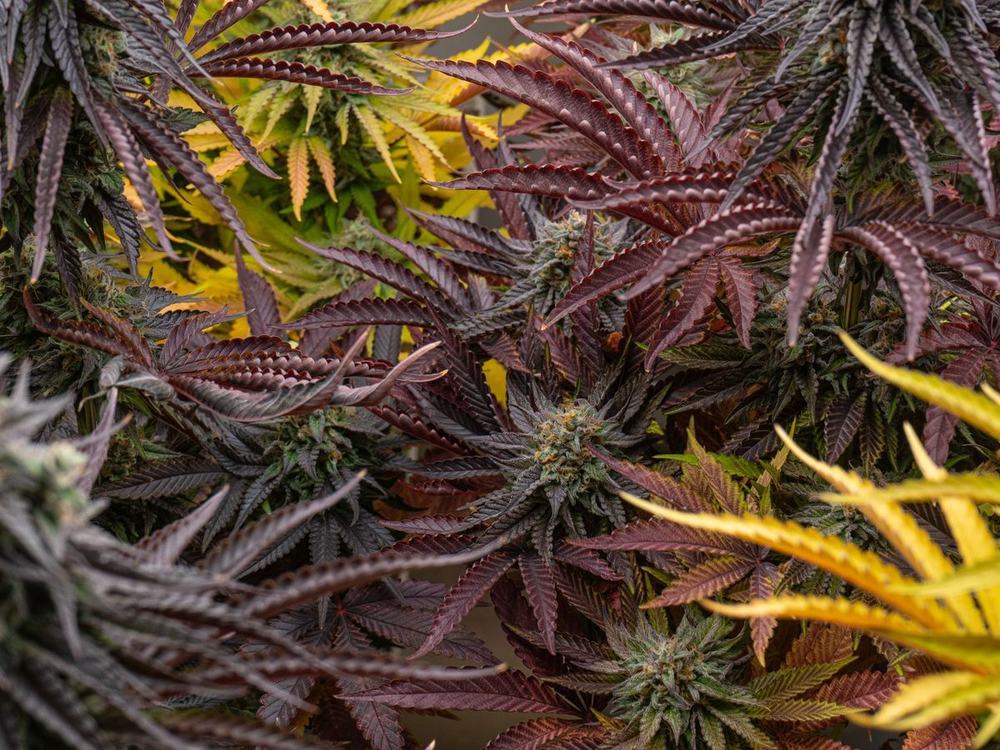
| Late 2010s, candy terps | Zkittlez, Wedding Cake, MAC, and the Runtz style crosses that followed | Loud terpene profiles, novelty, purple and pink color | Terpenes are kept or lost in the dry and cure, not only in the seed |
The pattern is not that old strains were worse. The market decided what "best" meant. Effect ruled the 2000s. Appearance and THC numbers ruled the early 2010s once labs arrived. Smell and flavor rule now, and the most popular weed strains of any given year are the ones that solved that year's definition.
What Judges Actually Rewarded
Every cup I judged rewarded the same three things whatever the era: a sample dried and cured correctly, a smell that hit before the jar was fully open, and an effect that matched the description. Grow quality beat genetics more often than entrants believed. A well grown mid-tier strain placed over a badly grown elite cut again and again, and the list reflected that.
The Mistake Most Growers Make With Famous Strains
Chasing the name. A seed packet labelled with a famous strain is a promise from whoever printed the label, and the most famous strains are the most faked. Growers buy the name, get a random phenotype, grow it in a room built for a different plant, and blame the genetics. Buy from the breeder who made it or from a bank that names its source, run several seeds, keep the best one, and dial the room in for that plant. The list rewarded strains that were grown well, not strains that were merely famous.
What the Pattern Teaches a Modern Grower
Three things. First, the strains that lasted across eras, Haze, Skunk, OG Kush and Cookies among them, are all still in the pedigree of whatever is popular this year, so learn the parents and you can read any new cross. Second, each era's winners were the ones that solved a grower problem: stability, then yield, then density, then terpene retention. Third, drying and curing moved from an afterthought to a judging criterion over those years, and it is still the cheapest place to gain. The strongest strains page and the purple strains page apply this thinking to the two questions readers ask most.
Next Step: The Strains Hub and the Lists to Come
Start with the strains hub for how this section is organized. The year by year lists, including the 2019 list, will appear on this page as one table per year once High Times confirms reproduction rights; until then the eras above are the map. My background at the magazine is on the about page, and the strain books from those years are on the books page. Cultivation is for adults where it is legal.
Sources
- High Times (publisher of the annual Top 10 Strains of the Year list during Danny's tenure)